

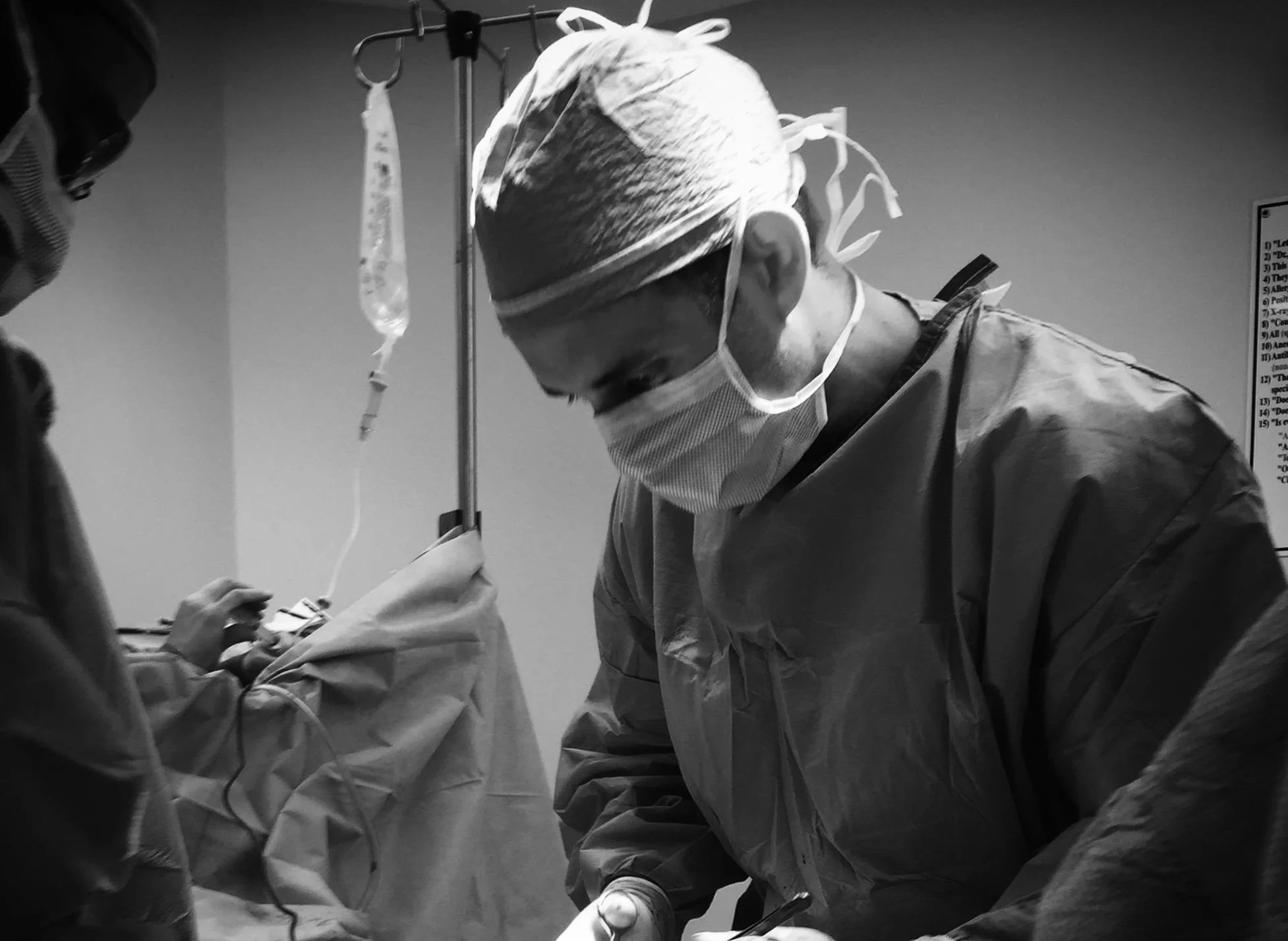
Regenerative Medicine
Reserve's regenerative medicine treatments include orthobiologic options such as platelet-rich plasma (PRP) injections, designed to work with your body's own healing processes. These ultrasound-guided PRP injections are physician-administered and may support joint, tendon, and ligament health for active individuals seeking natural joint pain relief while managing injury, degeneration, or chronic joint discomfort. If you're exploring non-surgical tendon repair, regenerative orthopedic medicine may offer a personalized path suited to your goals.
Medspa in Los Angeles, CA, 90025 | Regenerative Medicine Near Me
About Regenerative Medicine
WHAT IT IS
Regenerative medicine treatments use biologic material from your own body, most often platelet-rich plasma (PRP), which may support your body's natural processes in joints, tendons, and ligaments. This platelet-rich plasma therapy concentrates growth factors already present in your blood and delivers them to a targeted structure. Unlike aesthetic PRP for skin, Reserve's orthobiologic joint treatment focuses on the knee, shoulder, hip, elbow, and spine, offering some patients a non-surgical option to discuss for a PRP injection for chronic joint pain.
HOW IT WORKS
A regenerative injection therapy visit begins with a small blood draw, processed in-office using a centrifuge to concentrate platelets and growth factors into PRP. Your physician then performs an ultrasound-guided PRP injection into the target joint, tendon, or ligament for precise placement. Because this approach uses your own biologic material, it is generally well tolerated by many patients, though individual responses vary. Candidacy for PRP therapy for tendons and ligaments, including PRP for ligament repair, depends on your diagnosis, imaging findings, and treatment goals.
WHAT TO EXPECT
A physician-administered PRP treatment typically takes 30 to 45 minutes, including the blood draw, PRP processing, and ultrasound-guided PRP injection. Mild soreness at the treated site for a few days afterward is common and may reflect the body's natural healing response. Many patients resume light activity within a day or two, with a structured return guided by your physician. Because PRP knee injection treatment and other non-surgical tendon repair approaches work with a biologic process, improvement may develop gradually over weeks to months.
Frequently Asked Questions
-
The blood draw feels similar to a standard lab draw. The PRP injection itself may cause brief pressure or mild discomfort depending on the treatment area, and local anesthetic is often used to help improve comfort during your regenerative injection therapy visit at Reserve.
-
Downtime after this platelet-rich plasma therapy is generally minimal, though some soreness at the injection site for a few days is common as part of a typical healing response. Your Reserve physician will provide an activity plan specific to the treated joint, tendon, or ligament.
-
Because PRP injections for joint pain work with a biologic process rather than providing immediate symptomatic relief, many Reserve patients report gradual changes over 4 to 12 weeks, with continued changes possible over several months. Individual results vary.
-
Candidacy depends on your specific diagnosis, imaging findings, and treatment history. PRP for ligament repair and related orthobiologic joint treatment may be considered for certain tendon, ligament, and early-to-moderate joint presentations, including cases involving a PRP injection for chronic joint pain. Your Reserve physician will assess whether this approach may fit your situation during a consultation.
-
Some presentations may respond to a single PRP knee injection treatment or similar procedure, while others may benefit from a series spaced several weeks apart. Your Reserve physician will outline an individualized plan based on your diagnosis and response to treatment.
-
Cortisone injections are generally used to reduce inflammation and discomfort, while regenerative medicine treatments, including PRP injections, are intended to work with the body's own repair processes. As an alternative to cortisone injections for some patients seeking natural joint pain relief, PRP therapy for tendons and ligaments is one of several tools your Reserve physician may discuss, and can help determine which approach, or combination, may be right for your situation.
Support your body's natural capacity to heal.
Disclaimer: This information about regenerative medicine treatments and PRP injections is provided for general educational purposes only and is not a substitute for professional medical advice. It should not be relied upon as personal health guidance, and it is not intended to diagnose, treat, cure, or prevent any disease or condition. Individual results vary, and candidacy for any regenerative injection therapy is determined individually following a consultation and review of your medical history at Reserve.